The 1939 Chess Olympiad in Buenos Aires was a dramatic event that took place as Germany invaded Poland, marking the beginning of the Second World War.
The tournament was affected by the outbreak of war, with six team matches not played and recorded as 2-2 draws by default, including Germany v Poland.
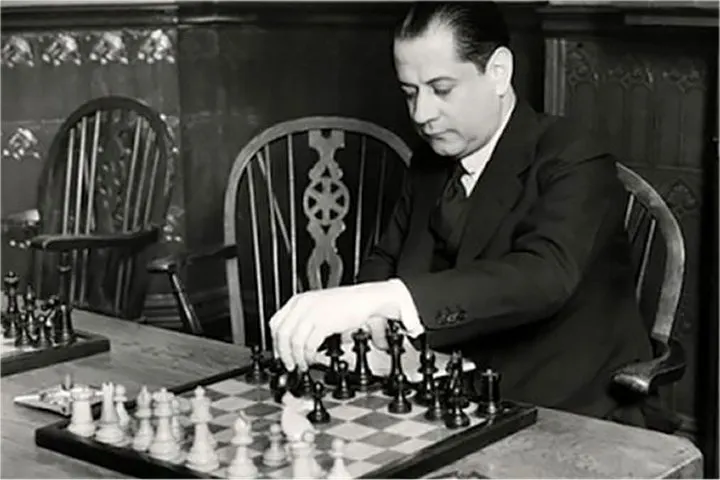
José Raúl Capablanca, the world champion from 1921 to 1927, played his final tournament and final competitive game in Buenos Aires.
Capablanca had sought a rematch against Alexander Alekhine, who had defeated him in the 1927 World Championship match, but Alekhine kept finding new reasons not to play him.
In Buenos Aires, Capablanca avoided a direct encounter with Alekhine, but still managed to win the gold medal for the best performance on board one.
Capablanca's success in Buenos Aires was his final sporting achievement, as he played no more tournaments after the Olympiad, only simultaneous exhibitions and casual games.